
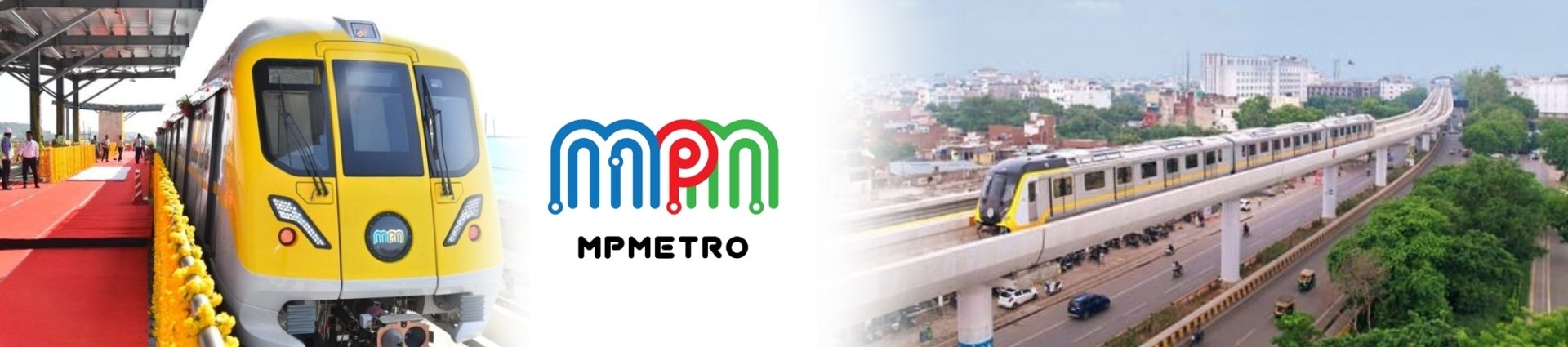
Discover How Indore Metro Will Boost Real Estate Opportunities
Indore, the commercial capital of Madhya Pradesh and the only Indian city to host both an IIT and an IIM, is poised for its most ambitious infrastructure upgrade — the Indore Metro. Designed as a multi-corridor rapid transit system, the Metro is not just about easing traffic; it’s about redefining how the city grows and where its people live, work, and invest. For homebuyers and investors, this is not a distant promise but an emerging reality that will materially reshape real estate values along its corridors in the coming years.
1) A Defining Infrastructure Milestone
The Indore Metro project is widely regarded as a game-changer. Recent verified decisions from the Madhya Pradesh government, combined with ongoing construction progress, have strengthened the case for investing in Metro-aligned routes.
2) Key Government Approval: Ujjain–Indore–Pithampur Metro
The government has approved a Detailed Project Report (DPR) consultancy for a new Metro link connecting Ujjain, Indore, and Pithampur. The Delhi Metro Rail Corporation (DMRC) is appointed as the consultant, marking an important step toward realizing a multi-city metro corridor linking a major pilgrimage centre (Ujjain), Indore’s urban core, and the industrial hub of Pithampur.
3) Line 3 (Yellow Line) — A Ring Already Taking Shape
Simultaneously, work is progressing on Line 3, a 33.53 km “ring line” that loops around the city, connecting strategic nodes such as Palasia, Railway Station, Rajwada, Airport, and Bhawarsala. Priority stretches are already under construction. Once complete, Line 3 will function as Indore’s rapid mobility backbone, providing a seamless interface with other lines and major road corridors.
4) Why the Metro Will Reshape Real Estate
- Direct City-to-Industrial Connectivity: The sanctioned metro link connects a major industrial belt (Pithampur) to Indore’s urban and commercial hubs, shortening commutes and increasing Pithampur’s residential attractiveness.
- Transit-Oriented Appreciation: Line 3’s ring provides multiple nodes where transit-oriented development can flourish — residential projects, retail, offices, and hospitality will all benefit from improved footfall and accessibility.
- Investor Confidence: Cabinet approvals and DMRC involvement de-risk the project, boosting investor confidence, which often precedes visible price appreciation along the corridor.
- Strategic Advantage for the Super Corridor: Already Indore’s premium IT and commercial spine, the Super Corridor stands to gain even more as Metro stations reduce travel friction for professionals and make premium projects more attractive to buyers and corporates.
5) Key Growth Corridors Linked by the Metro
- Super Corridor – Indore’s Premium Hub: With IT giants like Infosys, TCS, LTIMindtree, Yash Technologies and IBM, plus luxury hotels, upcoming malls, a ₹450-crore Start-up Park and a proposed 10,000-seat auditorium, the Super Corridor already represents global-standard living. Metro stations here will strengthen its appeal to high-income professionals and corporates, reinforcing premium pricing of ₹4,200–8,000 per sq ft for plots and ₹4,000–5,500 per sq ft for apartments — prices that have appreciated by up to 115% in three years.
- Pithampur – The Industrial Powerhouse: Known as Asia’s largest SEZ and the “Detroit of India,” Pithampur offers Plots 70–80% cheaper than premium areas, often in the ₹10–25 lakh range with high loan eligibility. With the Metro extending here, lakhs of commuters will have faster travel, pushing up demand for affordable housing, rental accommodation and small commercial setups. Early investors stand to gain from substantial appreciation as connectivity improves.
- Ujjain – The Spiritual & Tourism Magnet: With the Mahakal Lok Corridor already transforming the city’s religious infrastructure, the Metro link to Indore will make weekend trips effortless and create new opportunities for hospitality, retail and serviced apartments along the route.
6) Lifestyle & Urban Design Upgrades
- Transit-Oriented Developments (TODs) near stations with walkable streets, cafés, and co-working spaces.
- Mixed-Use Zones blending residential, retail and office spaces to reduce commute stress.
- Cleaner Air & Higher Quality of Life from reduced private vehicle dependence.
7) Investment Strategies for 2025
- Prioritize properties within 500–1500 m of Metro stations, especially along Line 3 and the planned Ujjain–Indore–Pithampur corridor.
- Consider mixed-use and rental-focused investments near major nodes like the Airport, Palasia, Rajwada, and Railway Station.
- Monitor DPR milestones and tender awards (DMRC reports and MP cabinet releases) to time entry for maximum upside.
- Verify RERA approvals and clear titles, choosing reputed township developments with internal utilities.
Conclusion: The Metro as a Blueprint for Growth
The Indore Metro is not merely a transport system; it’s a city-shaping blueprint. By knitting together industrial (Pithampur), commercial (Indore’s CBD), premium (Super Corridor) and religious (Ujjain) hubs, it will redistribute demand, elevate property values and enhance liveability. For investors who act early, 2025 presents a rare chance to position themselves ahead of a historic transformation in Indore’s Real Estate Market — and to watch their investments ride the city’s next great growth curve.
